Emergency sofa cleaning for St Helier estate floods
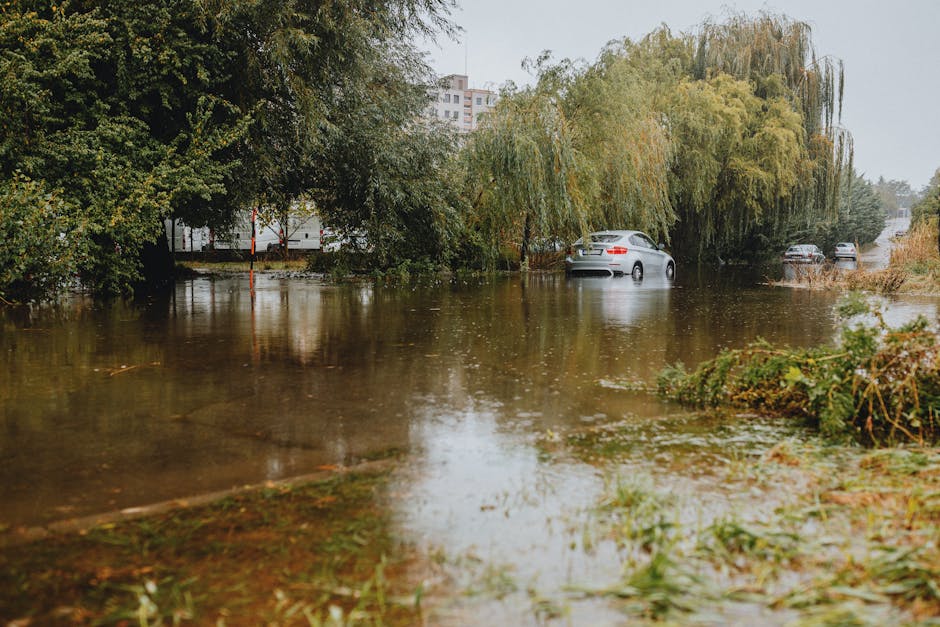
If your sofa has been caught up in a flood on the St Helier estate, the clock starts ticking straight away. Water soaks into cushions, hides inside the frame, and leaves behind silt, smells, and sometimes contamination that you cannot simply wipe away. Emergency sofa cleaning for St Helier estate floods is about more than making upholstery look better again; it is about stopping further damage, reducing health risks, and deciding quickly whether the sofa can be saved at all.
To be fair, that first hour can feel chaotic. The room is wet, there may be a sour smell already, and you are trying to work out whether to keep the sofa, move it, or bin the thing. This guide walks you through the practical side of flood-damaged upholstery: what to do first, how emergency cleaning works, when specialist help makes sense, and which mistakes can turn a recoverable sofa into a lost cause.
Along the way, you will also find a comparison of methods, a realistic example, a checklist, and a few useful pointers for choosing a trustworthy sofa cleaning or upholstery cleaning service when time is short.
Why Emergency sofa cleaning for St Helier estate floods Matters
Floodwater is not just water. On a housing estate, it can carry fine grit, mud, detergent residue, food waste, or whatever else has been pushed along by the surge. Once it gets into a sofa, the damage happens in layers. The fabric surface may dry quickly enough, but the foam underneath, the timber frame, the webbing, and even the stitching can stay damp for days.
That matters because damp upholstery creates the perfect conditions for mould growth and persistent odour. It can also weaken fibres and cause staining to set permanently. If the sofa is kept in use too soon, you may end up pressing contamination deeper into the material every time someone sits down. Not ideal. Not at all.
For households on the St Helier estate, floods can also disrupt everyday life in a very practical way. A sofa often takes the centre of the living room. If it is out of action, the room feels unfinished and uncomfortable. Families may have nowhere proper to sit, children may be sleeping on temporary bedding, and the whole home can feel a bit upside down. A fast, sensible cleaning response restores more than the upholstery itself.
There is another angle too: value. A decent sofa is expensive to replace, and when the flood has not destroyed the frame, professional cleaning may be a sensible way to salvage it. In our experience, the difference between a repairable sofa and a write-off often comes down to how it is handled in the first few hours.
How Emergency sofa cleaning for St Helier estate floods Works
Emergency cleaning is usually a staged process. The goal is not to scrub straight away and hope for the best. The goal is to assess, stabilise, clean, sanitise where appropriate, and dry in a controlled way. Different materials need different handling, and that's where experience matters.
1. Initial assessment
The cleaner checks the extent of water exposure, the fabric type, and whether the sofa is likely to be safely restorable. A fabric sofa, leather sofa, and microfibre sofa all behave differently after flood contact. The source of the water also matters. Clean rainwater is a very different problem from water that has travelled through drains or backed-up systems.
2. Safe extraction and surface clearing
Loose water, silt, and debris are removed first. If the upholstery is still holding visible moisture, the priority is to stop that moisture from spreading and setting the smell further into the fibres. The process may involve absorbent pads, careful blotting, and vacuum extraction equipment, depending on the material and the condition of the sofa.
3. Targeted cleaning
Once the surface is manageable, the technician applies an appropriate upholstery cleaning method. For many fabrics, that means low-moisture cleaning rather than soaking the upholstery again. Harsh over-wetting is a mistake because it prolongs drying time and can worsen frame damage.
4. Deodorising and hygiene treatment
Flood-affected sofas often need more than stain removal. They may need odour treatment and a hygiene-focused clean to reduce lingering contamination. The right treatment depends on the sofa's material and the flood conditions. A careful cleaner will avoid promising miracles where the damage is too severe. That honesty is a good sign, by the way.
5. Drying and monitoring
Drying is crucial. Even when the visible dirt has gone, hidden moisture can remain inside the cushions. The sofa may need to be stood in a ventilated space, rotated, or monitored over a day or two. If drying is rushed, the smell tends to return. It likes to do that.
Key Benefits and Practical Advantages
Emergency sofa cleaning after flooding is not just about salvage. It can be the difference between a manageable disruption and a much bigger, costlier problem.
- Reduces the risk of mould and mildew: Fast moisture removal and drying can stop organic growth from taking hold inside the sofa.
- Helps preserve the upholstery: The sooner dirt and contaminants are removed, the better the chance of keeping the fabric and foam in usable condition.
- Improves indoor air quality: Flood-damaged upholstery can hold a musty smell that spreads through the room.
- Saves replacement cost where possible: If the frame and fill are still sound, cleaning may be more practical than buying a new sofa.
- Restores comfort faster: Families can get the living room back in use sooner, which sounds simple but makes a big difference after a flood.
- Supports better decision-making: A proper inspection helps you know whether to clean, repair, or replace.
There is also peace of mind. Flood damage is stressful enough without guessing what the sofa might be harbouring. A proper clean gives you a clearer answer.
Who This Is For and When It Makes Sense
This service is for anyone whose sofa has been exposed to floodwater in or around the St Helier estate. That includes residents dealing with a single-room flood, hallway water ingress, rising water from a ground-floor issue, or a living room that has taken on water during heavy rain.
It makes sense when the sofa is worth saving, when the floodwater was not catastrophically contaminated, or when you need a professional assessment before deciding what to do next. If the sofa is a good-quality piece, has sentimental value, or was only partly affected, cleaning is often the first sensible step.
It may also make sense if you are preparing a property for reoccupation after a flood and want the room to be safe and usable again. Some people assume the sofa is gone the moment it gets wet. Sometimes that is true. Sometimes it really is. But often the damage is more nuanced, and that is where a careful specialist assessment helps.
If you are managing a rental property, a shared home, or a family house, the decision can feel even more urgent. The trick is not to rush blindly. Move fast, yes, but do it in the right order.
Step-by-Step Guidance
Here is a practical sequence you can follow before and during emergency cleaning. It is not glamorous, but it works.
- Make the area safe. Turn off electricity in the affected room if there is any risk from sockets or appliances. If the flood was severe, do not wade through standing water without checking the situation properly.
- Document the damage. Take a few clear photos of the sofa and the surrounding room. This can be useful for insurance and for explaining the situation to a cleaner or restorer.
- Lift cushions and separate removable parts. Remove scatter cushions, throws, and anything loose. If the covers are removable and the care label allows it, put them aside for separate treatment.
- Blot, don't scrub. A clean absorbent cloth is usually better than rubbing, which can push dirt deeper into the fabric. Scrubbing a wet sofa is a classic "what was I thinking" moment.
- Improve ventilation. Open windows if it is safe to do so, and create airflow. You are trying to help moisture escape, not trap it.
- Contact a specialist quickly. The sooner a technician sees the sofa, the better the chances of a successful clean. Mention the flood source and how long the sofa has been wet.
- Ask about the cleaning method. You want a method suitable for upholstery, with minimal risk of over-wetting. A good provider should explain what they will do and why.
- Dry thoroughly after cleaning. Do not return the sofa to heavy use until it is fully dry. That can take longer than expected, especially with dense cushions.
If the sofa was contaminated by foul water, the cleaner may recommend a stronger hygiene process or advise replacement. That is not a sales line; it is just honesty. Better a clear answer than a vague maybe.
Expert Tips for Better Results
Small decisions make a big difference with flood-damaged upholstery. These are the things that tend to matter most in real homes.
- Act within hours, not days, if you can. The longer water sits in foam, the more likely odour and mould become a problem.
- Keep the sofa off the floor if possible. If the legs are still dry, raising the base slightly can help air move around the frame.
- Use fans carefully. Gentle airflow is helpful. Blasting hot air at delicate fabric, not so much.
- Check the care label before doing anything ambitious. Some upholstery is sensitive to water or solvent products.
- Watch the hidden corners. Moisture often lingers under piping, in seams, and under cushions where you cannot see it easily.
- Smell test after drying. If the sofa still smells musty after cleaning, it may need a second treatment or more drying time.
- Be cautious with home remedies. White vinegar, bleach, and random sprays can stain or alter fabric colour. A lot of people mean well. The sofa does not always appreciate it.
A useful rule of thumb: if you can still feel cool dampness in the foam after the surface looks dry, it is not actually dry. Looks can be annoying that way.
Common Mistakes to Avoid
Flood recovery is full of well-meant mistakes. Most are avoidable.
- Waiting too long. Every extra hour can make the clean harder and increase the chance of smell.
- Using too much water again. Re-soaking a wet sofa is rarely the answer.
- Hiding damage under covers. This traps moisture and can speed up deterioration.
- Ignoring the frame. A sofa can look fine on top while the structure underneath is still damp or warped.
- Trying aggressive stain removal first. If you attack the stain before stabilising the moisture, you may spread the problem.
- Moving the sofa without support. Wet sofas are heavier and more fragile than they look. One awkward lift and the seam can tear.
- Assuming all odour means permanent damage. Sometimes it does mean that, but sometimes the smell is just trapped moisture that needs a proper dry-out.
The biggest mistake? Treating flood upholstery like an ordinary spill. It is not the same thing, and the sofa knows it.
Tools, Resources and Recommendations
You do not need a warehouse of equipment to start the recovery process, but a few sensible items help.
- Microfibre cloths: Good for blotting surface moisture without scraping the fabric.
- Wet towels or absorbent pads: Useful for drawing water away from cushion seams and arms.
- Gloves: Handy if the floodwater was dirty or if you are handling contaminated fabric.
- Fans and openable windows: For airflow, assuming it is safe and weather conditions allow.
- Plastic sheeting or floor protection: Helps prevent spreading residue to clean areas while the sofa is moved.
- Notebook or phone camera: Simple but useful for noting timings, visible damage, and any odour changes over time.
If you want a broader clean after flood disruption, it can also make sense to think in terms of the whole room, not just the sofa. A deep cleaning service may be useful if walls, flooring, or soft furnishings also need attention, and carpet cleaning may be part of the recovery if floor coverings have been affected too.
For households that need a wider reset after the mess has settled, one-off cleaning can be a practical option. It is often the difference between feeling "nearly there" and actually getting back to normal.
Law, Compliance, Standards, or Best Practice
Flood cleanup in the UK is not usually about niche legal rules for sofas specifically. The more relevant point is duty of care and sensible hygiene practice. If the flood involved contaminated water, you should treat the item cautiously and avoid exposing occupants to unnecessary risk.
For cleaning professionals, good practice usually includes:
- assessing contamination level before treatment
- using suitable cleaning products for upholstery type
- working safely around damp electrics and slippery floors
- explaining when an item is unsalvageable
- handling waste and disposal responsibly if the sofa cannot be recovered
If you are in rented accommodation or managing a property, it can also help to document the condition properly and communicate promptly with the landlord, managing agent, or insurer where relevant. Keep things clear and factual. No drama, just records.
For any cleaning company you choose, confidence signals matter. Pages such as health and safety policy, insurance and safety, and about us are useful indicators that the business takes responsible practice seriously. That does not guarantee a perfect outcome, of course, but it does show you they are not winging it.
Options and Method Comparison
Different flood situations call for different responses. Here is a simple comparison to help you think it through.
| Method | Best for | Pros | Limitations |
|---|---|---|---|
| DIY blotting and ventilation | Very light dampness or edge exposure | Cheap, immediate, useful as a first response | Not enough for soaked cushions or dirty floodwater |
| Portable upholstery extraction | Surface contamination and moderate wetting | Removes moisture and dirt more effectively | May still need follow-up drying |
| Specialist flood-focused cleaning | Severely affected sofas with odour or contamination | Better assessment, hygiene treatment, and restoration chance | Not every sofa is salvageable |
| Replacement | Heavy contamination, structural damage, or persistent smell | Clear end point, no hidden risk from lingering damp | Costly, and sometimes unnecessary if acted on quickly |
In practical terms, the first option is only suitable when the fabric has been lightly affected and the sofa is otherwise dry quickly. The more the flood has reached the inner layers, the more you move toward specialist cleaning or replacement. That is just the reality of upholstery.
Case Study or Real-World Example
Picture a ground-floor living room on the St Helier estate after a heavy downpour. Water has come in along the edge of the room and soaked the base of a three-seater sofa. The cushions look only slightly marked, which is deceptive. When the covers are lifted, the foam underneath is visibly wet and there is a muddy ring near the seams.
The first sensible move is to separate loose cushions, lift the sofa away from the wet area, and ventilate the room. A technician then assesses the material and decides on low-moisture upholstery cleaning rather than anything aggressive. The visible dirt comes away, but the important part is the drying phase. Fans and air movement are used to reduce trapped moisture, and the sofa is checked again after the first day.
What made the difference here was speed and restraint. No scrubbing frenzy, no soaking the fabric again, no waiting until the smell had settled in. The result was a sofa that could be kept rather than dumped, which saved both money and a fair amount of hassle. You can see why quick action matters.
Sometimes the story goes the other way, to be honest. If floodwater has sat in the sofa for days or the contamination is severe, replacement may be the only sensible answer. That is still a useful outcome, because it stops people clinging to something that is no longer safe.
Practical Checklist
Use this checklist if you need to act quickly after a flood.
- Switch off any electrical hazards near the affected room if needed.
- Take photos of the sofa and surrounding damage.
- Remove cushions, throws, and loose items.
- Blot visible water gently with clean absorbent cloths.
- Increase airflow with windows or fans where safe.
- Do not scrub or oversaturate the upholstery.
- Check the care label if you can do so safely.
- Call a specialist quickly and explain the flood source.
- Ask whether the sofa needs low-moisture cleaning, sanitising, or drying only.
- Keep pets and children off the sofa until it is fully dry and checked.
- Monitor for smell, staining, or soft spots over the next day or two.
- Replace the sofa if contamination or structural damage is too severe.
Expert summary: The best emergency response is usually calm, fast, and low-moisture. Treat the sofa as a layered structure, not just a piece of fabric, and the chances of saving it are much better.
If you are also dealing with water marks on the floor or in adjoining rooms, you may find hard floor cleaning useful once the area is safe and dry enough to treat properly. For furniture beyond the sofa itself, home cleaners can help restore the rest of the living space after the immediate emergency is under control.
Conclusion
Emergency sofa cleaning for St Helier estate floods is a race against time, but it is not a hopeless one. The right response usually means assessing contamination quickly, avoiding heavy-handed DIY mistakes, and choosing a cleaning method that fits the material and the level of flood exposure. Some sofas can be saved. Some cannot. The key is making that decision based on evidence, not panic.
What really matters is protecting your home, your health, and your peace of mind. A flood can leave a room feeling odd for days, even after the water is gone. But with careful action, good ventilation, and the right support, the sofa and the room can often be brought back to something comfortable and familiar again.
Get a free quote today and see how much you can save.
And if you are still in the middle of the mess, take a breath. One step at a time is enough for now.
Frequently Asked Questions
How quickly should I arrange emergency sofa cleaning after a flood?
As soon as you reasonably can. The first 24 hours are especially important because moisture, odour, and contamination can settle deeper into the upholstery if you leave it. Fast action gives you more options.
Can a flood-damaged sofa be cleaned properly at home?
Sometimes, but only if the exposure was very light and the sofa has not absorbed contaminated water. For anything more than a minor damp patch, professional upholstery cleaning is usually safer and more effective.
Will emergency cleaning remove the smell completely?
Often it helps a great deal, but not every sofa will return to perfect condition. Smell depends on how far the water penetrated, what the floodwater contained, and how quickly the sofa was dried. If the odour lingers, more drying or replacement may be needed.
Is floodwater on a sofa a health risk?
It can be, especially if the water was dirty or stagnant. Floodwater may contain bacteria, silt, and other contaminants. That is why flood-damaged upholstery should be handled carefully and cleaned appropriately.
Should I throw the sofa away if the cushions were soaked?
Not automatically. Cushions can sometimes be cleaned or replaced separately, depending on the sofa construction. The frame, fabric, and fill all need to be assessed before you decide.
How long does a flood-damaged sofa take to dry?
It varies. Light surface dampness may dry fairly quickly with airflow, while deeply soaked upholstery can take much longer. Dense foam and thick cushions are the slowest to dry, which is why patience matters.
Can professional cleaning stop mould from forming?
It can reduce the risk, especially if the sofa is cleaned and dried promptly. But no one should promise a fixed outcome without seeing the item, because the flood source, fabric type, and timing all matter.
What if the sofa was exposed to foul water or sewage?
That is a more serious situation. In many cases, replacement is the safer option, or at least a specialist assessment is needed before any attempt at restoration. Contaminated upholstery should not be treated casually.
Will insurance cover emergency sofa cleaning?
Sometimes, but cover depends on your policy and the circumstances of the flood. Keep records, take photographs, and check the terms of your insurance before making assumptions.
Can leather sofas be cleaned after flooding?
Yes, but leather needs a different approach from fabric upholstery. It can stain, stiffen, or crack if handled badly, so it is best treated with care and by someone who understands the material.
What should I ask a cleaner before booking?
Ask about their experience with flood-damaged upholstery, the cleaning method they use, how they handle drying, and whether they will tell you honestly if the sofa is beyond repair. Straight answers are what you want.
Is it worth cleaning the sofa if only one side was wet?
Often, yes. Moisture can wick through the internal padding, so a sofa that looks affected on one side may have hidden damp in other areas. A proper inspection helps prevent surprises later.
If you need a broader refresh after the flood has affected more than just the sofa, services such as domestic cleaning or house cleaning can help bring the rest of the property back into shape. It is one less thing to worry about, and sometimes that is a relief in itself.